Home » Shop » FSIS-CSE Portable Full Spectrum Imaging System
FSIS-CSE Portable Full Spectrum Imaging System
Price On Application
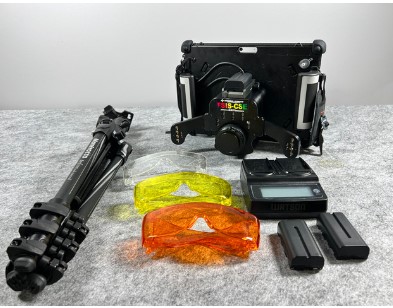
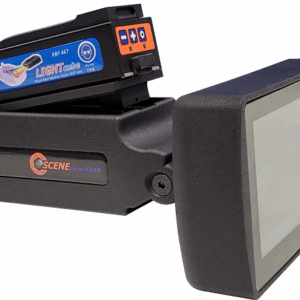
The FSIS-CSE is the latest addition to the robust family of Full Spectrum Imaging Systems available from Arrowhead Forensics. The FSIS-CSE is specifically to be portable and is ideal for small laboratories and can also be used in for the Crime Scene. With 20 megapixels of resolution, and sensitivity from 254nm (shortwave UV) to 1100nm, the FSIS-CSE can easily capture a full handprint at 1000 PPI (pixels per inch), and micro evidence up to 4,800 PPI.
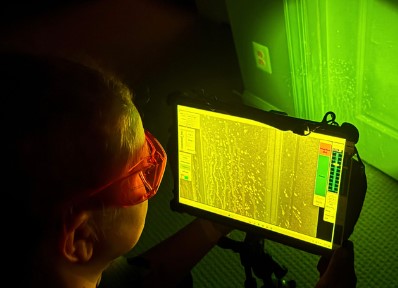
The system features the patented FSIS II camera mounted to a Microsoft tablet, with exciting new innovations including an automated LED/filter wheel selection, integrated LED light assemblies, and auto-focus. Users can select a button via touchscreen and the system will automatically select the proper filter and LED combination for blood, saliva, biological stains, GSR, and untreated and treated latent fingerprints. The FSIS-CSE provides the ability to auto-focus from shortwave UV to near IR. This patented technology is not available elsewhere and facilitates easier, faster, more efficient crime scene scanning and photography.
FSIS-CSE is compatible with other FSIS II configurations and the Automated Fingerprint Identification System (AFIS) submission and data management system. The system meets and exceeds the minimum requirements of 1,000 PPI when capturing an image up to 5.4 inches x 3.6 inches. The FSIS-CSE’s file format allows for easy export to image editing software such as Photoshop®.
Key features
Integrated LED lights for visible evidence detection and fluorescence
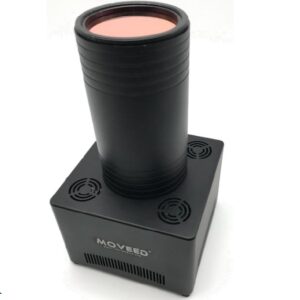
Plus UV-C illumination and separate UV-C light to detection of latent fingermarks.
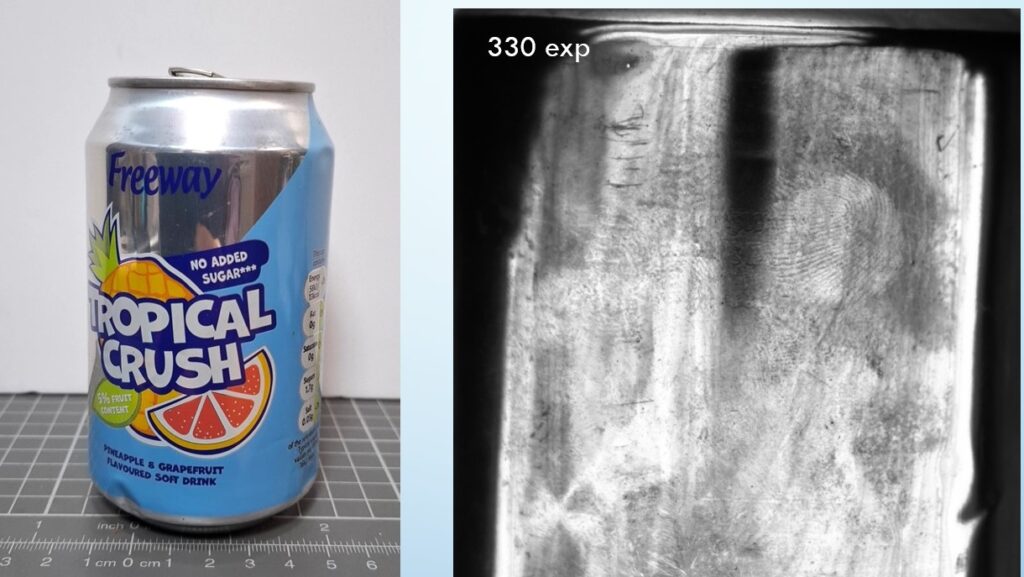
The in-built unique FSIS-II integration features extends imaging capabilities across a broad range of surfaces including the ability to capture ridge detail on curved surfaces, eliminating the potential for errors caused by photo-stitching processes.
High Dynamic Range (HDR) – Allows a single image to show detail in both dark and bright areas, verses needing to choose to expose for one or the other. retain ridge detail in brighter parts of the image, while simultaneously revealing parts of the image that would have previously been too dark to see.
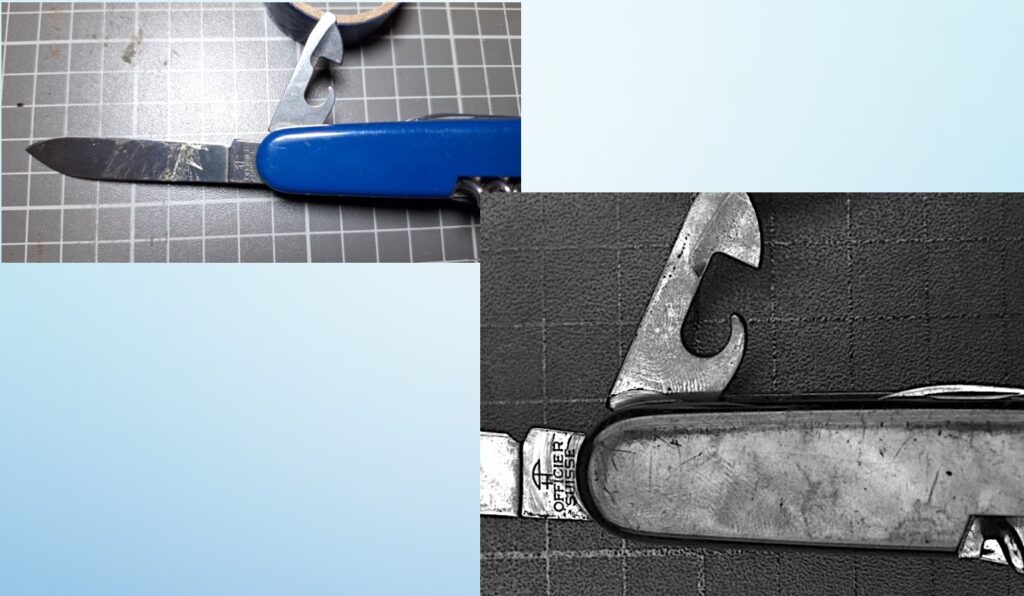
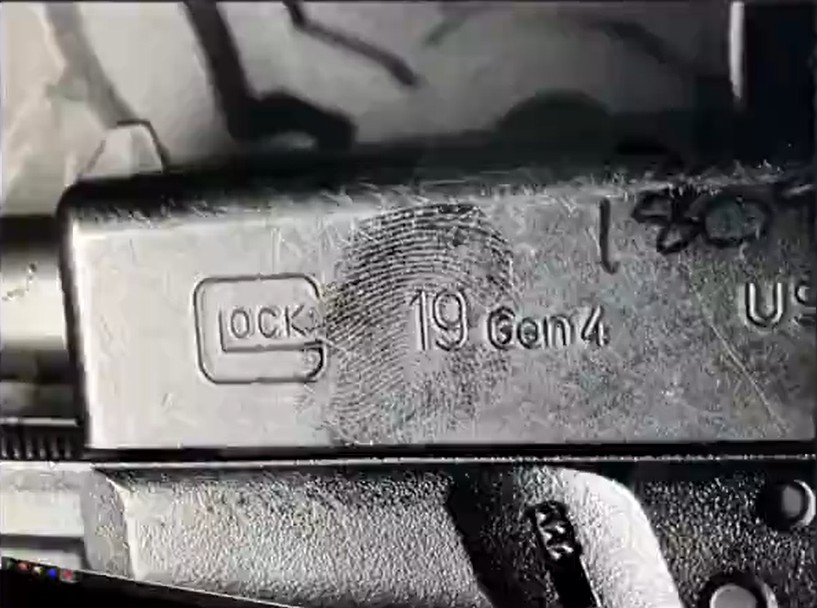
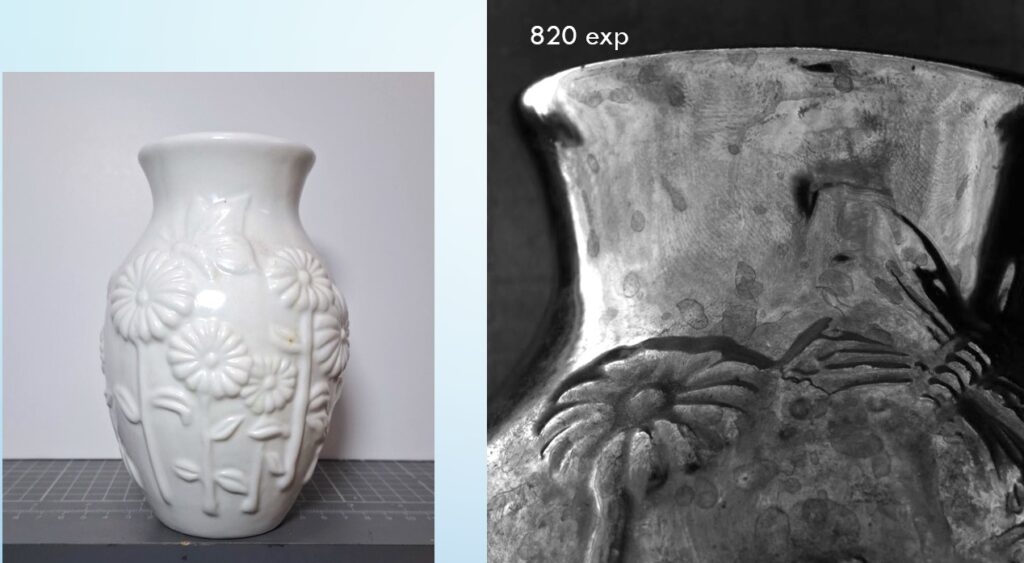
Background removal – with shortwave UV backgrounds are removed effortlessly.
Non-destructive way to analyse almost any piece of evidence. This includes metals, plastics paper and even food items.
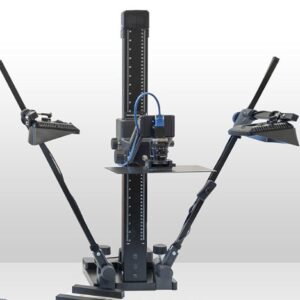
Can be mounted to a quad pod or tripod
Why the use of 254nm UV-C within this system?
Simply the answer to this question is that you reveal marks you haven’t previously been able to detect with traditional techniques.
Extensive validation work has been undertaken on this technique which is showing significant mark detection improvements compared to visible and chemical treatment in the UV-C 254nm region.
Strong absorption – fatty and amino acids exhibit strong absorption at 254nm
Tyrosine
Tryptophan
Contrast mechanism
Replies on reflection or absorption
Non-porous = Reflection
Porous = Absorption
Optimal Wavelength
Studies have indicated that the UV-C of 254nm is the most effective wavelength for detection of latent fingermarks compared to longer UV wavelengths like UV-A (365nm)
Equipment availability
Are all UV-C wavelengths alike?
254nm mercury vapour lamps are narrow bandwidth with (+/-) 1nm light bleed
Able to create more contrast due to minimal bleed interfering with the filter
Superior to LED lamps (see below)
254nm is further away from visible light
Dropping more backgrounds on substrates
254 can’t penetrate glass and most plastics, allowing easier imaging, whereas longer wavelengths penetrate causing confusing backgrounds.
LED lamps have a much wider bandwidth with approximately (+/-) 20nm light bleed
This produces significantly less contrast due to the larger cone of interfering bleed with the filter
Examples of this are LED lights available in longer wavelengths such as 262nm, 280nm, 365nm
Options
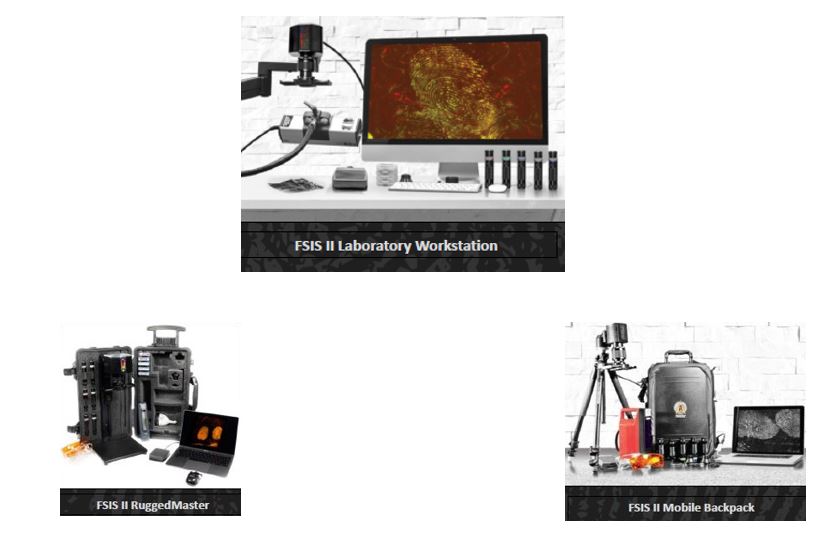
In addition to the portable system we are also provide a laboratory system, a field portable system within a backpack and a rugged version which are easily transportable for deployment either at the crime scene or for intelligence operations.